
Sea Freight vs Air Freight: A Complete Guide to Choosing the Right Shipping Method
Introduction
Choosing the right shipping method is one of the most important decisions for any business involved in importing or exporting goods. The choice between sea freight and air freight can significantly impact your costs, delivery timelines, and overall customer satisfaction.
In this guide, we break down everything you need to know to make the best decision for your cargo.
What is Sea Freight?
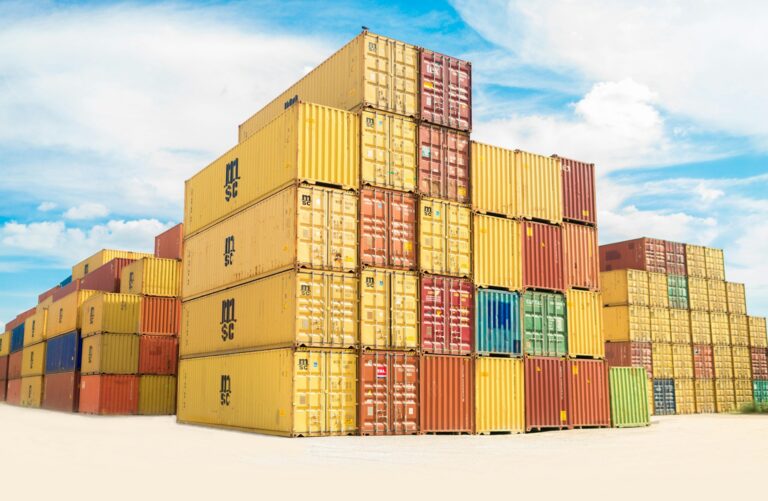
Sea freight refers to the transportation of goods via cargo ships across oceans and seas. It is one of the oldest and most widely used methods of international shipping.
Advantages of Sea Freight
- Cost-Effective: Ideal for large, heavy, or bulk shipments
- High Capacity: Ships can carry massive volumes of goods
- Versatility: Suitable for a wide range of cargo types including machinery, vehicles, and raw materials
Disadvantages of Sea Freight
- Longer Delivery Time: Shipping can take weeks depending on distance
- Port Delays: Congestion and customs clearance can slow delivery
- Less Ideal for Urgent Goods
What is Air Freight?
Air freight involves transporting goods via cargo aircraft. It is the fastest way to ship internationally.
Advantages of Air Freight
- Speed: Delivery can take hours to a few days
- Reliability: Fixed schedules reduce delays
- Security: Airports have strict security measures
Disadvantages of Air Freight
- Higher Cost: More expensive than sea freight
- Weight Limitations: Not suitable for very heavy or oversized cargo
- Environmental Impact: Higher carbon footprint
Key Factors to Consider
1. Cost
If your priority is saving money, sea freight is the better option. Air freight should be reserved for high-value or urgent shipments.
2. Delivery Time
For time-sensitive goods, air freight is unmatched. Sea freight requires patience and planning.
3. Type of Cargo
- Fragile or perishable items → Air freight
- Heavy machinery or bulk goods → Sea freight
4. Distance and Destination
Remote or landlocked areas may affect your choice and require combined shipping methods.
When to Use Sea Freight
- Large shipments
- Non-urgent deliveries
- Budget-conscious logistics
When to Use Air Freight
- Urgent deliveries
- High-value goods
- Perishable items
How Almumin Cargo Can Help
At Almumin Cargo, we understand that every shipment is unique. Our team evaluates your cargo, timeline, and budget to recommend the most efficient and cost-effective solution.
Conclusion
Both sea and air freight have their strengths. The right choice depends on your priorities—whether it’s cost, speed, or cargo type. By understanding these options, you can make smarter logistics decisions and improve your overall operations.que. Our team evaluates your cargo, timeline, and budget to recommend the most efficient and cost-effective solution.